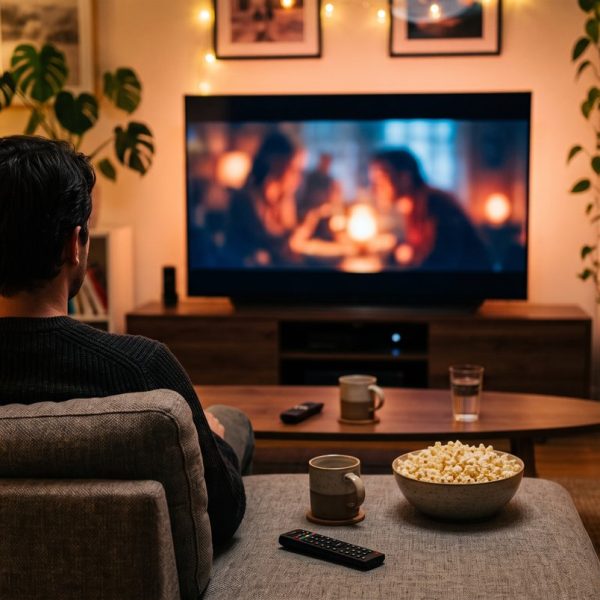
Few arguments among film and TV fans get as heated as the one over how to watch something made in another language. Say you prefer one method at the wrong dinner party and you might not be invited back. The subbed vs dubbed question has been splitting audiences for decades, and streaming has only made it louder now that a single show can reach millions of viewers in dozens of languages at once.
The debate is worth having because both sides have a real point. Neither approach is objectively correct. What matters is understanding what each one does to the experience, and then choosing based on the show in front of you rather than a rule you picked up years ago.
What the two terms actually mean
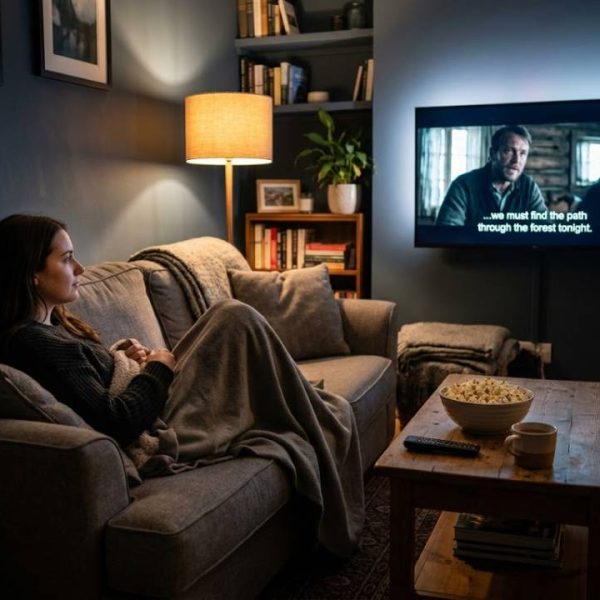
Before the argument, a quick definition. Subtitles are the lines of translated text that appear at the bottom of the screen while the original audio plays. If you have ever wondered what are subtitles doing beyond simple translation, they also carry tone, timing, and sometimes descriptions of sound for viewers who need them. Dubbing is the other route. So what is dubbing exactly? It is the process of replacing the original spoken dialogue with a newly recorded version in another language, performed by voice actors who try to match the timing and lip movements on screen.
The dubbing meaning has widened over the years. Early dubs were often clumsy, with voices that clearly did not belong to the actors. Modern dubbing, especially from major studios, can be remarkably polished, with careful casting and sound mixing that makes the swap far less jarring than it used to be.
The case for subtitles
Purists tend to favor subtitles for one central reason. You hear the original performance. An actor's voice carries an enormous amount of the emotion in a scene, and no matter how good a dub is, it cannot fully replace the breath, the pauses, and the delivery of the person who was actually there. For films where performance is everything, reading along keeps you connected to what the director intended.
Subtitles also tend to be more faithful to the script. Because they are not constrained by lip movements, translators have a little more freedom to render meaning accurately. That said, they still make compromises, and a rushed or automated translation can flatten jokes and cultural references. This is the same reason professionals warn that machine translation alone is not enough for work where nuance matters. A good subtitle is a small act of interpretation, not a word-for-word swap. Accurate bulgarian translation matters whenever legal, medical or official documents cross borders.
The case for dubbing
Dubbing has an obvious advantage. You get to watch the screen instead of reading it. For action-heavy films, animation, or anything with a lot of fast visual detail, that freedom matters. You catch the choreography, the background gags, and the facial expressions you would otherwise miss while your eyes are parked at the bottom of the frame.
The subbed-versus-dubbed argument is really a disagreement about which layer of a performance matters most to comprehension. Every producer faces a version of that choice when deciding how a story reaches its audience. This collection of digital storytelling work is a good place to see those trade-offs handled thoughtfully.
Dubbing also opens content to viewers who cannot read subtitles comfortably, whether because of age, reading speed, or visual impairment. And in some traditions, dubbing is simply the norm. Large parts of Europe grew up watching dubbed television, and to those audiences the original-audio purism can feel like an acquired preference rather than a universal truth.
So which should you choose
The honest answer is that it depends on what you are watching and why. A dialogue-driven drama where every glance and inflection matters usually rewards subtitles. A sprawling action spectacle or a show you want to half-watch while cooking dinner often plays better dubbed. Animation sits in an interesting middle ground, since the original voices were themselves recorded in a booth, so a strong dub loses less than it would in live action.
The anime community has argued this out more thoroughly than anyone, and dropping into a thread on the r/anime forum will show you just how personal the choice becomes. If you want the technical history of how dialogue replacement developed, the overview of dubbing is a solid starting point. In the end, the best approach is the one that lets you actually enjoy the story, and there is no shame in switching between the two depending on your mood.
How streaming reshaped the whole argument
For most of film history, your choice was made for you. A cinema showed one version, a television channel broadcast another, and importing a foreign film often meant whatever format the distributor decided to release. The viewer rarely had a say. Streaming changed that overnight. Now a single tap in the settings menu switches between the original audio with subtitles and a full dub, sometimes in five or six languages, and you can flip back and forth mid-episode if you want to compare.
That freedom has quietly softened the old rivalry. When the cost of trying the other option is a two-second menu change, fewer people feel the need to defend one camp to the death. It has also raised the standard on both sides, since studios now know viewers can hear the original at any moment and will notice a lazy dub or a sloppy subtitle. A show like a hit Korean thriller or a Spanish heist drama can top the charts in countries where almost nobody speaks the source language, which would have been unthinkable a generation ago. The takeaway is simple. The best version is the one you will actually finish, and today you get to decide that for yourself, scene by scene.